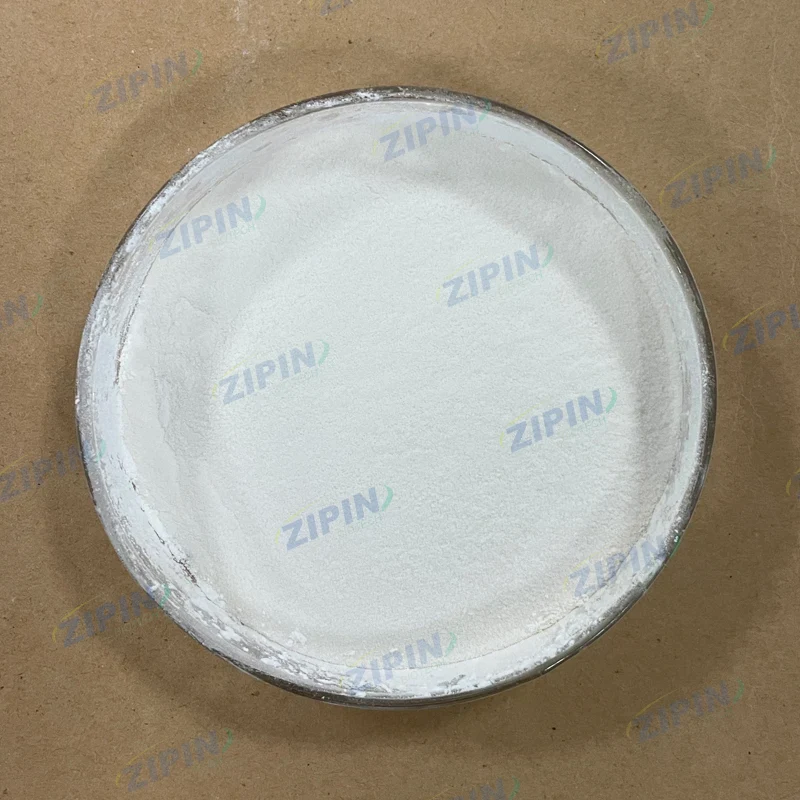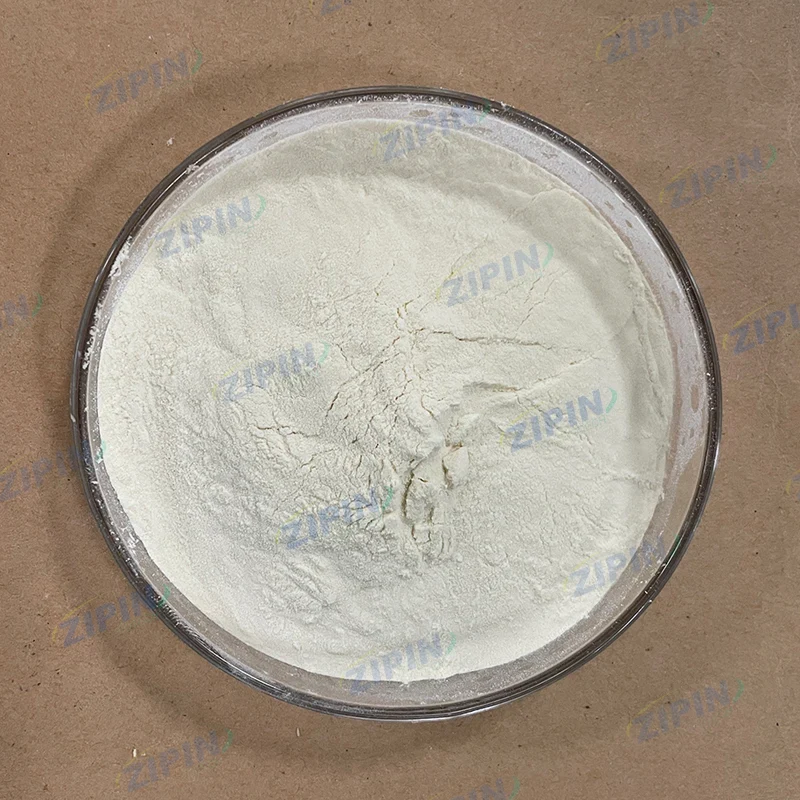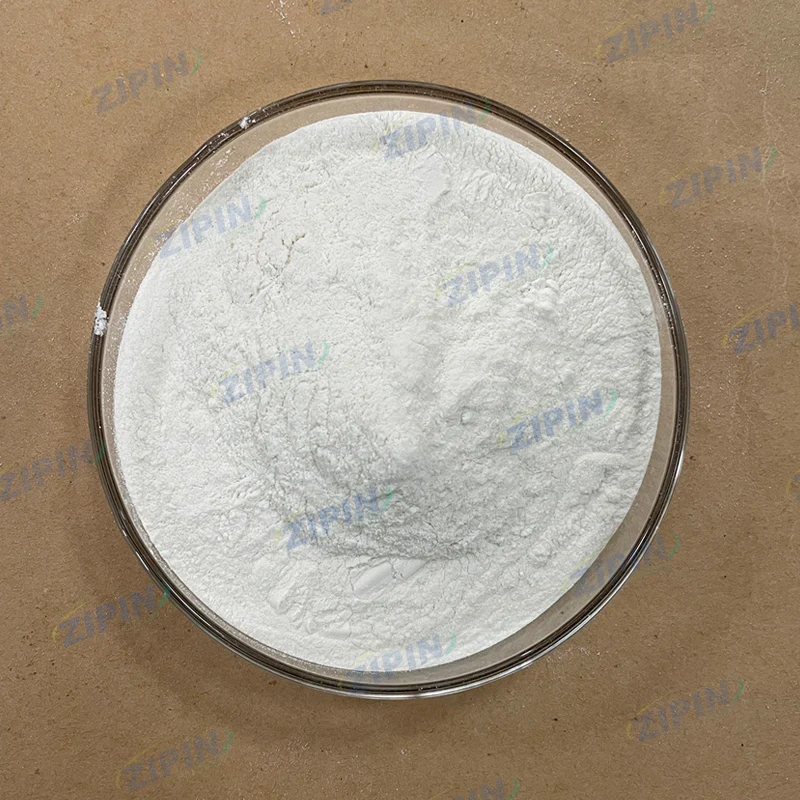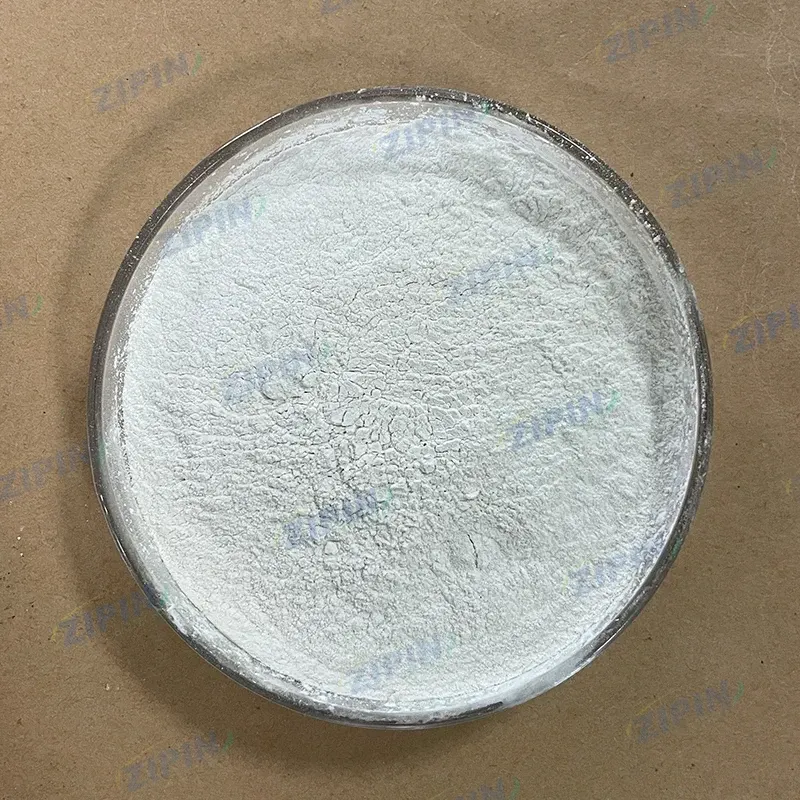

Fermented Wheat Flour can help food manufacturers manage microbial spoilage and extend product shelf life through naturally developed organic acids, bioactive peptides, and other fermentation metabolites. This article explains how these components work, which food applications may benefit, how heat stability affects processing, and what manufacturers should evaluate when incorporating fermented wheat flour into commercial formulations.
Food spoilage is not simply a storage problem. For food manufacturers, it directly affects production planning, distribution efficiency, product returns, and overall operating costs. Bakery products, ready-to-eat foods, sauces, and other processed foods can become vulnerable to microbial contamination during manufacturing, packaging, transportation, and storage.
Traditional preservation methods often rely on individual preservatives or adjustments to product formulation. However, manufacturers are increasingly exploring fermentation-derived ingredients as part of their preservation strategies, particularly when they want to balance shelf-life performance with taste and product quality.
At BindPro, we focus on food additives that address practical processing requirements. Fermented Wheat Flour is one option worth evaluating because its fermentation process produces several small-molecule metabolites that can contribute to microbial control and flavor development.

Fermented Wheat Flour supports food preservation through the combined activity of organic acids, bioactive peptides, amino acids, and other fermentation metabolites. Rather than relying on a single preservation mechanism, these components can influence the microbial environment of a food product.
Acetic acid and lactic acid are important metabolites associated with fermentation. They contribute to acidity and can interfere with the growth of certain spoilage microorganisms.
Depending on the food's pH and formulation, undissociated organic acid molecules can enter microbial cells and interfere with intracellular pH balance and normal metabolic activity. This helps explain why organic acids are widely considered in food preservation systems.
Fermentation can generate small peptides with biological activity. Some fermentation-derived peptides may exhibit antimicrobial effects against particular microorganisms.
Their actual contribution depends on peptide composition, concentration, target microorganisms, and interactions with other ingredients. For this reason, we recommend evaluating the finished food rather than assuming that all fermented wheat flour formulations provide the same antimicrobial performance.
One advantage of fermented ingredients is that their functional effects may come from several components working together. Organic acids can influence the food's pH environment, while bioactive peptides and other metabolites may contribute additional inhibitory effects.
This combined approach makes Fermented Wheat Flour a useful ingredient to investigate when developing food preservation systems. However, it should be considered part of a broader formulation strategy rather than a guaranteed replacement for every conventional preservative.
Understanding the composition of Fermented Wheat Flour helps manufacturers evaluate its potential role in different formulations. The following table summarizes the main components described in our product profile and their potential functional contributions.
| Fermentation Component | Potential Function | Formulation Consideration |
|---|---|---|
| Acetic Acid | Helps inhibit the growth of certain microorganisms. | Evaluate acidity and potential vinegar-like flavor effects. |
| Lactic Acid | Contributes to pH reduction and microbial growth control. | Check compatibility with the target food's pH and taste profile. |
| Bioactive Peptides | Some peptides may provide additional antimicrobial activity. | Performance depends on peptide composition and target microorganisms. |
| Amino Acids | Contribute to the overall fermentation-derived composition and flavor profile. | Consider interactions with other formulation ingredients. |
| Other Small-Molecule Metabolites | May contribute to the combined functional properties of the ingredient. | Evaluate their contribution in the finished food system. |
Not every food product has the same spoilage risks or formulation requirements. In our experience working with food ingredient applications, the most practical starting point is to identify the main preservation challenge before selecting an ingredient.
Bread, buns, rolls, and other baked products can develop mold during storage, especially when moisture content, packaging conditions, and storage temperatures favor microbial growth.
Fermented Wheat Flour can be evaluated in bakery formulations as part of a mold-control strategy. Manufacturers should check dough handling, fermentation performance, crumb texture, flavor, and mold-free shelf life after baking.
Processed meat products require careful control of microbial growth throughout manufacturing and distribution. Fermentation-derived ingredients may be investigated as supplementary preservation components in selected formulations.
However, meat products differ considerably in pH, water activity, fat content, and processing conditions. A formulation suitable for one cooked meat product may not deliver the same results in another. Challenge testing and product-specific validation are important.
Sauces, dressings, and condiments often contain combinations of water, oils, acids, sugars, and seasonings. These ingredients can influence how antimicrobial components behave in the finished product.
Fermented Wheat Flour may be considered when manufacturers want to explore fermentation-derived preservation and flavor contributions. Its impact on acidity, viscosity, appearance, and overall taste should be assessed during formulation trials.
Prepared foods often pass through several processing and handling stages before reaching consumers. Their shelf life depends on more than the ingredients alone, including thermal processing, post-process contamination control, packaging integrity, and cold-chain management.
Fermented Wheat Flour may be evaluated as one component of a multi-barrier preservation system. It should not replace validated cooking, sanitation, packaging, or temperature-control procedures.
Heat stability is an important consideration when selecting food additives for industrial manufacturing. Ingredients may be exposed to mixing, baking, cooking, pasteurization, or other thermal processes before the finished product reaches the packaging stage.
Our Fermented Wheat Flour product is designed with good heat stability, making it suitable for evaluation in different food processing methods. Nevertheless, heat stability should not be interpreted as complete retention of every antimicrobial component under all processing conditions.
For practical evaluation, we recommend considering the following factors:
| Processing Factor | What to Check |
|---|---|
| Processing Temperature | Determine whether the ingredient maintains the required functionality after the actual heating process. |
| Heating Duration | Compare performance under different holding times and thermal exposure conditions. |
| Product pH | Check whether the formulation supports the intended activity of organic acids. |
| Ingredient Interactions | Evaluate interactions with proteins, fats, salts, sugars, and other additives. |
| Finished Product Quality | Monitor flavor, texture, color, and microbial stability after processing. |
When developing a new formulation, we do not recommend selecting an inclusion level based only on the ingredient name or its general preservation function. The appropriate dosage depends on the food matrix, target microorganisms, processing conditions, and desired shelf-life improvement.
A controlled trial can help manufacturers identify a suitable formulation more efficiently.
Determine whether the primary concern is mold, yeast, or bacterial spoilage. Different microorganisms respond differently to preservation ingredients, so identifying the target is essential.
Record the product's pH, water activity, moisture content, ingredient composition, and current preservation system. These factors influence the effectiveness of fermentation-derived metabolites.
Test several inclusion levels using a control formulation for comparison. Keep other processing conditions consistent so that differences in performance can be evaluated more accurately.
Monitor microbial growth, sensory quality, and physical characteristics throughout the intended storage period. Where necessary, conduct appropriate microbial challenge testing under controlled laboratory conditions.
Before scaling up, confirm that the ingredient works with the existing mixing equipment, thermal processing conditions, packaging materials, and production schedule.
For food ingredient procurement, the most important consideration is not simply whether an ingredient has a preservation function. It is whether the product can be consistently incorporated into the intended manufacturing process.
At BindPro, we recommend checking several points before confirming a new ingredient for production:
Jiangsu Zipin Biotech Co., Ltd., established in 2016, operates a 20,000 m² production and business facility focused on the research, production, and sale of food additives. As a food ingredient manufacturer in China, we develop products including Fermented Wheat Flour, Transglutaminase, Curdlan, ε-Polylysine, Nisin, and Natamycin.
Our technical team has experience with food manufacturing methods and formulation requirements. We work with customers to evaluate ingredient applications, address processing difficulties, optimize formulations, and support the development of new food products.
Fermented Wheat Flour contains organic acids, bioactive peptides, amino acids, and other fermentation metabolites. These components may help inhibit certain spoilage microorganisms and support better microbial stability. Actual shelf-life improvement depends on the food formulation, processing conditions, packaging, and storage environment.
It may be evaluated as an alternative preservation ingredient in selected bakery formulations, but a direct one-to-one replacement is not recommended without testing. Manufacturers should compare mold inhibition, flavor, dough performance, crumb quality, and mold-free shelf life against their existing calcium propionate formulation.
It can influence the flavor profile because fermentation produces organic acids and other metabolites. The degree of change depends on the inclusion level and the food matrix. In bakery products, for example, excessive acidity may create an unwanted sour note, so sensory evaluation should be included in formulation trials.
Our product is designed to provide good heat stability for different food processing applications. However, individual metabolites may respond differently to temperature and heating time. Manufacturers should test the ingredient under actual production conditions to confirm the retention of the required functionality.
Potential applications extend beyond bakery products to selected sauces, condiments, processed meats, and prepared foods. Suitability depends on the product's composition, pH, water activity, processing method, and target microorganisms. Application-specific testing is necessary before commercial use.
Ordinary wheat flour is primarily used as a cereal-based food ingredient, while Fermented Wheat Flour undergoes a fermentation process that generates additional metabolites, including organic acids and bioactive peptides. These fermentation-derived components give it different potential functional properties in food formulations.
Manufacturers should request a product specification, certificate of analysis, allergen declaration, microbiological information, and relevant food safety and regulatory documentation. Since the ingredient is wheat-derived, gluten and wheat allergen labeling requirements should also be considered according to the destination market.