
Fermented wheat flour is transforming the bakery, snack, and food manufacturing industries with its ability to improve texture, flavor, shelf life, and clean-label appeal. This comprehensive guide explains how fermented wheat flour works, why manufacturers are adopting it, and how businesses can benefit from using high-quality fermented flour ingredients in modern food formulations.

Consumers today expect bakery and processed foods to deliver excellent taste while also containing fewer artificial additives. Fermented wheat flour has emerged as a practical solution for food manufacturers seeking natural preservation, enhanced flavor, improved dough performance, and better nutritional perception.
This article explores the science, applications, advantages, production methods, purchasing considerations, and future trends surrounding fermented wheat flour. Whether you are a bakery owner, food brand manager, ingredient distributor, or industrial food processor, understanding this ingredient can help improve product quality and customer satisfaction.
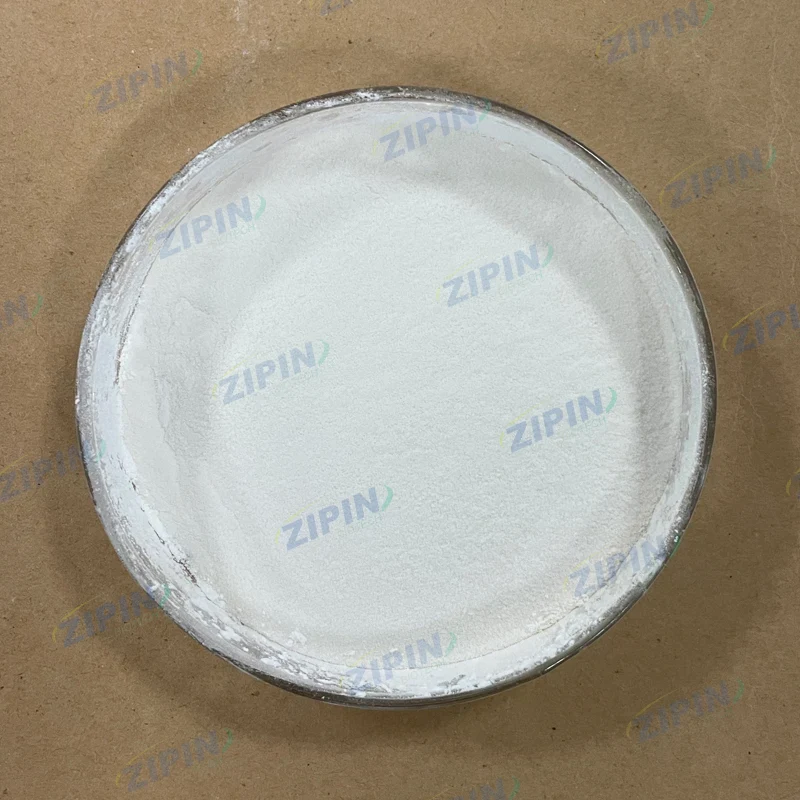
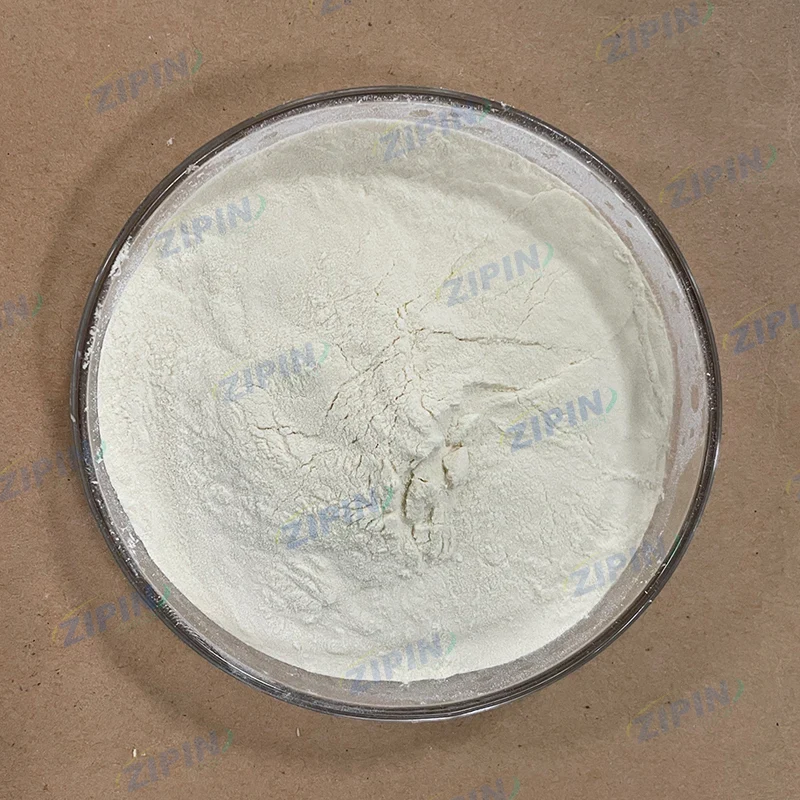
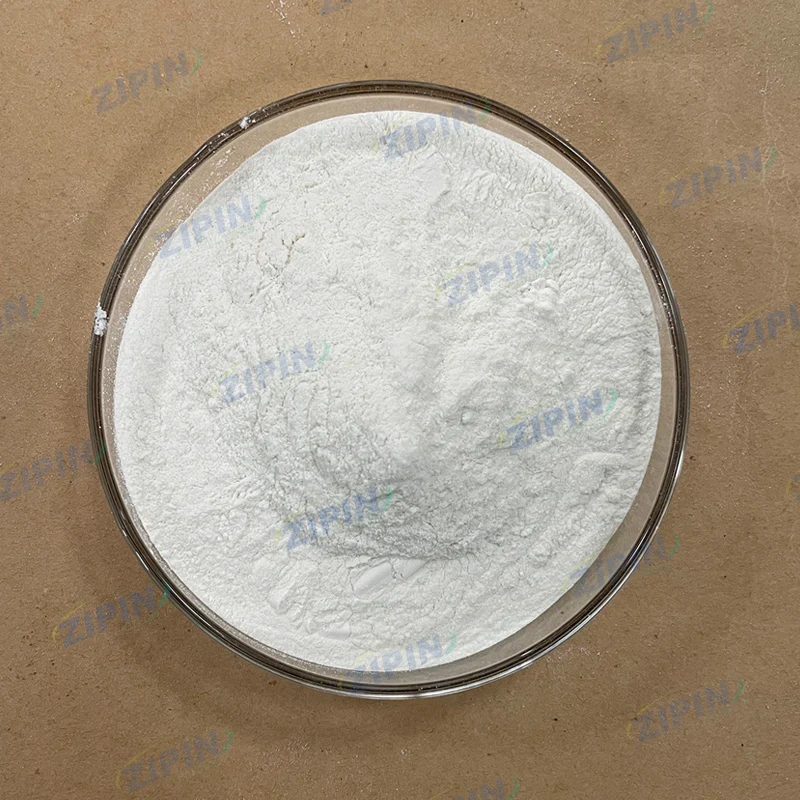
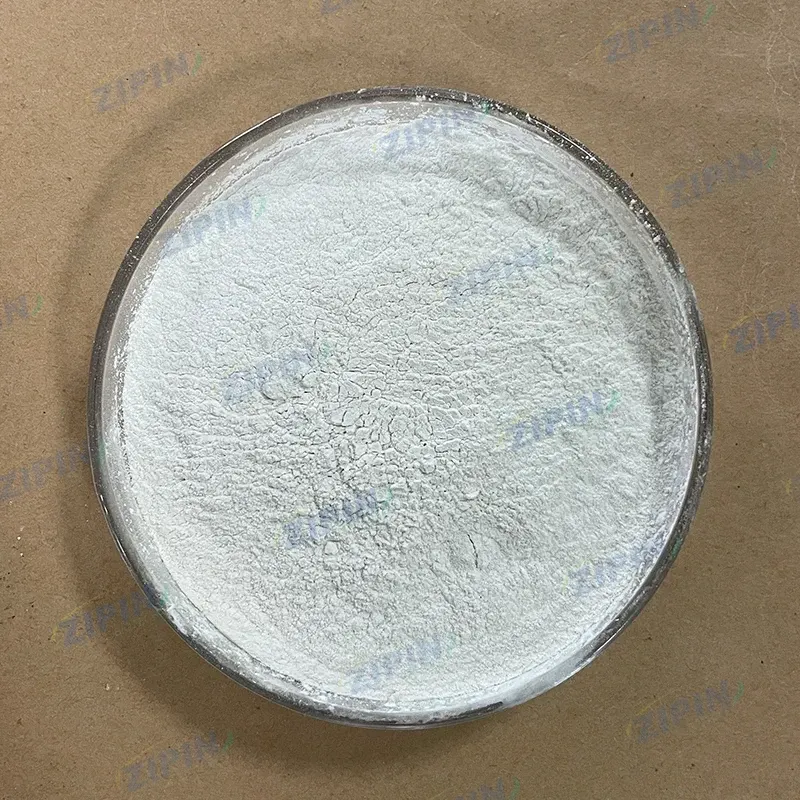
Fermented wheat flour is wheat flour that has undergone a controlled fermentation process using beneficial microorganisms such as lactic acid bacteria or yeast. During fermentation, these microorganisms break down carbohydrates and proteins, creating organic acids, flavor compounds, and functional metabolites that improve the flour’s performance in food applications.
Unlike standard wheat flour, fermented wheat flour delivers additional functional properties that support natural preservation, flavor enhancement, and dough stability. It is increasingly used in commercial bread, pastries, tortillas, snacks, pizza dough, and frozen bakery products.
| Feature | Traditional Wheat Flour | Fermented Wheat Flour |
|---|---|---|
| Flavor | Neutral | Rich and complex |
| Shelf Life Support | Limited | Enhanced naturally |
| Texture | Standard | Improved softness |
| Label Appeal | Basic ingredient | Natural functional ingredient |
The fermentation process begins when selected microorganisms are introduced to wheat flour under carefully controlled temperature and moisture conditions. These microorganisms metabolize sugars and produce compounds such as lactic acid, acetic acid, and enzymes.
These compounds contribute to:
The final fermented flour ingredient is then dried and standardized for commercial food production.
Food manufacturers are facing increasing pressure to reduce artificial additives while maintaining quality and profitability. Fermented wheat flour offers a practical answer to this challenge.
Modern consumers often prefer foods that appear more natural and minimally processed. As a result, manufacturers are turning to fermentation-based ingredients to improve product quality without relying heavily on synthetic preservatives.
Fermented wheat flour helps brands:
Industrial food production requires ingredients that deliver consistent performance. Fermented wheat flour provides multiple commercial advantages.
| Benefit | Impact on Production |
|---|---|
| Natural preservation | Reduced spoilage and waste |
| Flavor enhancement | Better consumer acceptance |
| Improved dough tolerance | More stable manufacturing |
| Texture optimization | Softer baked goods |
| Shelf-life extension | Longer retail viability |
For industrial bakeries, even a small increase in shelf stability can significantly reduce product returns and distribution losses.
Fermented wheat flour is highly versatile and suitable for a wide range of food products.
Because fermented wheat flour enhances flavor naturally, it is especially useful in premium bakery categories where taste differentiation matters.
Many food producers initially question whether fermented wheat flour is worth the investment. A direct comparison demonstrates its practical value.
| Category | Traditional Flour | Fermented Wheat Flour |
|---|---|---|
| Flavor Profile | Mild | Complex and aromatic |
| Freshness Retention | Moderate | Improved |
| Natural Mold Control | Weak | Strong |
| Consumer Perception | Standard | Premium and natural |
The quality of fermented wheat flour depends heavily on fermentation control and microbial management.
A typical manufacturing process includes:
Professional suppliers use advanced quality management systems to ensure product consistency across batches.
One of the most important reasons manufacturers adopt fermented wheat flour is its ability to naturally support shelf stability.
Organic acids generated during fermentation can help inhibit spoilage microorganisms. This creates a less favorable environment for mold growth and bacterial contamination.
As a result, baked products may remain fresher for longer periods without depending heavily on synthetic preservatives.
This advantage is particularly valuable for:
Texture and flavor are essential factors influencing repeat purchases. Fermented wheat flour contributes to a more satisfying sensory experience.
Flavor compounds generated during fermentation provide:
Texture improvements may include:
These benefits help manufacturers create premium bakery products with stronger market appeal.
Modern food innovation increasingly focuses on ingredient simplicity and consumer transparency. Fermented wheat flour aligns well with this movement because it can support product quality naturally.
Food companies are using fermented flour ingredients to:
This is especially important in competitive bakery markets where consumers actively compare ingredient lists.
Choosing the right fermented wheat flour supplier is critical for long-term manufacturing success.
Before purchasing, buyers should evaluate:
| Evaluation Factor | Why It Matters |
|---|---|
| Microbial expertise | Ensures fermentation consistency |
| Food safety systems | Reduces contamination risk |
| Application support | Improves formulation efficiency |
| Batch stability | Maintains production quality |
| Global supply capability | Supports large-scale operations |
Reliable suppliers can also assist manufacturers with dosage optimization and application testing.
The global fermented ingredients market continues to expand as food companies invest in natural functionality and premium bakery innovation.
Key trends include:
Fermented wheat flour is expected to play a larger role in both industrial-scale production and specialty bakery applications over the coming years.
Q1: Is fermented wheat flour the same as sourdough?
Not exactly. Sourdough is a type of fermented dough system, while fermented wheat flour is a processed ingredient designed for broader industrial applications.
Q2: Can fermented wheat flour replace chemical preservatives?
In some formulations, it may reduce the need for certain preservatives by supporting natural shelf-life improvement.
Q3: Does fermented wheat flour affect flavor?
Yes. It typically adds mild fermented notes and improves overall flavor complexity.
Q4: Is fermented wheat flour suitable for frozen dough?
Yes. Many frozen bakery products benefit from its dough-strengthening and freshness-supporting properties.
Q5: What industries commonly use fermented wheat flour?
Commercial bakeries, snack manufacturers, frozen food companies, and premium bread producers frequently use fermented wheat flour.
Fermented wheat flour is more than a simple bakery ingredient. It represents a modern solution for food manufacturers seeking improved flavor, better texture, enhanced freshness, and more natural product development strategies.
As consumer expectations continue evolving, fermentation-based ingredients are becoming increasingly valuable across global food industries. Manufacturers that invest in high-quality fermented wheat flour can strengthen product competitiveness while improving overall production performance.
For businesses looking to source reliable fermented wheat flour ingredients, Jiangsu Zipin Biotech Co., Ltd. provides professional fermentation expertise, advanced production capabilities, and customized ingredient solutions for modern food manufacturing applications.
Contact Us
Looking for high-quality fermented wheat flour solutions for your bakery or food production business?
Connect with Jiangsu Zipin Biotech Co., Ltd. today to discover customized fermentation ingredient solutions designed to improve product quality, shelf life, and consumer satisfaction.