
Shell Calcium Oxide is an increasingly important industrial material derived from natural calcium carbonate sources such as seashells. It plays a crucial role in chemical processing, environmental treatment, metallurgy, construction, and advanced manufacturing. This article explores what Shell Calcium Oxide is, how it is produced, its physical and chemical characteristics, key applications, safety considerations, and purchasing factors. It also addresses common challenges faced by buyers and industrial users, such as purity control, reactivity management, storage stability, and cost efficiency. Whether you are a procurement manager, industrial engineer, or researcher, this guide provides clear, structured, and practical insights into maximizing the value of Shell Calcium Oxide in real-world applications.
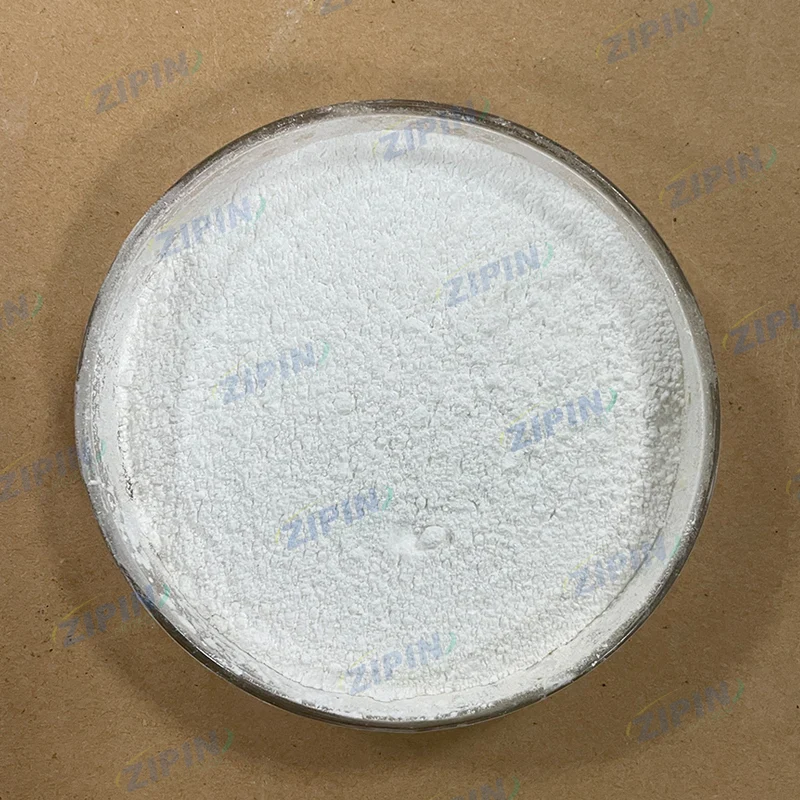
Industrial demand for high-purity lime materials has increased significantly across sectors such as metallurgy, wastewater treatment, construction, and chemical manufacturing. Among these materials, Shell Calcium Oxide stands out due to its natural origin and high reactivity. Derived from marine shell waste, it represents a more sustainable and often purer alternative to traditional limestone-based calcium oxide.
Despite its widespread use, many buyers and engineers still face challenges in understanding its behavior, optimal usage conditions, and quality variations. This guide aims to simplify those complexities and provide actionable knowledge.
Shell Calcium Oxide is a high-purity form of calcium oxide (CaO) produced by calcining calcium-rich shells such as oyster shells, clam shells, or other marine organisms. These shells are primarily composed of calcium carbonate (CaCO₃), which decomposes under high temperatures to form calcium oxide.
Chemical Transformation:
CaCO₃ → CaO + CO₂
This transformation results in a fine, highly reactive lime material with a porous structure that enhances chemical activity in industrial applications.
Unlike conventional limestone-derived lime, shell-based calcium oxide often contains fewer impurities such as silica, magnesium, and heavy metals, making it desirable for precision-sensitive applications.
The production process of Shell Calcium Oxide involves several controlled steps to ensure consistency, purity, and performance efficiency.
Each step significantly influences final product quality, especially calcination temperature and raw shell purity.
Shell Calcium Oxide exhibits several important properties that define its industrial performance:
| Property | Value/Description |
|---|---|
| Chemical Formula | CaO |
| Molecular Weight | 56.08 g/mol |
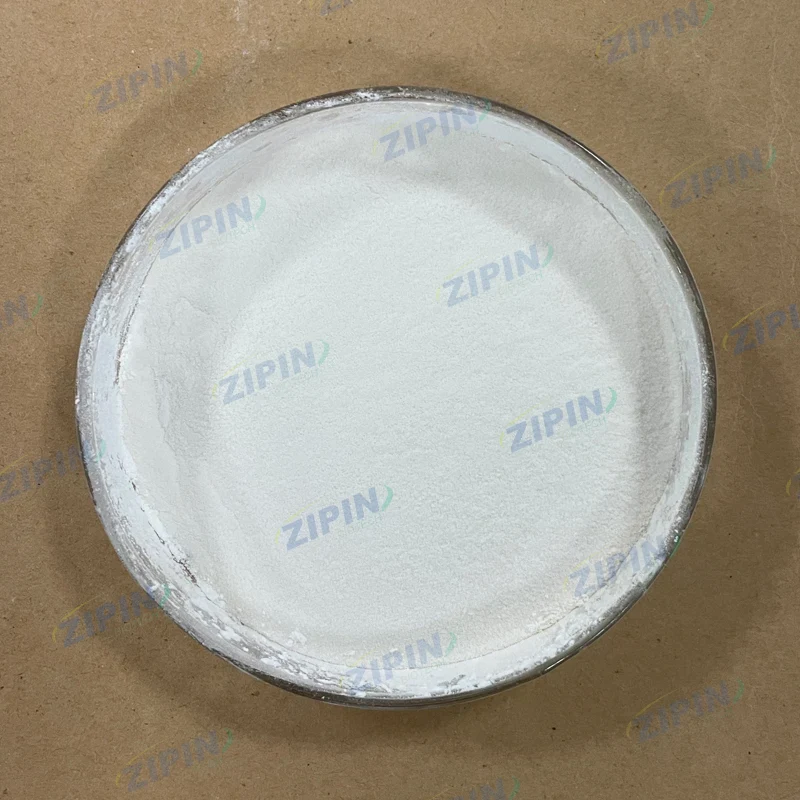
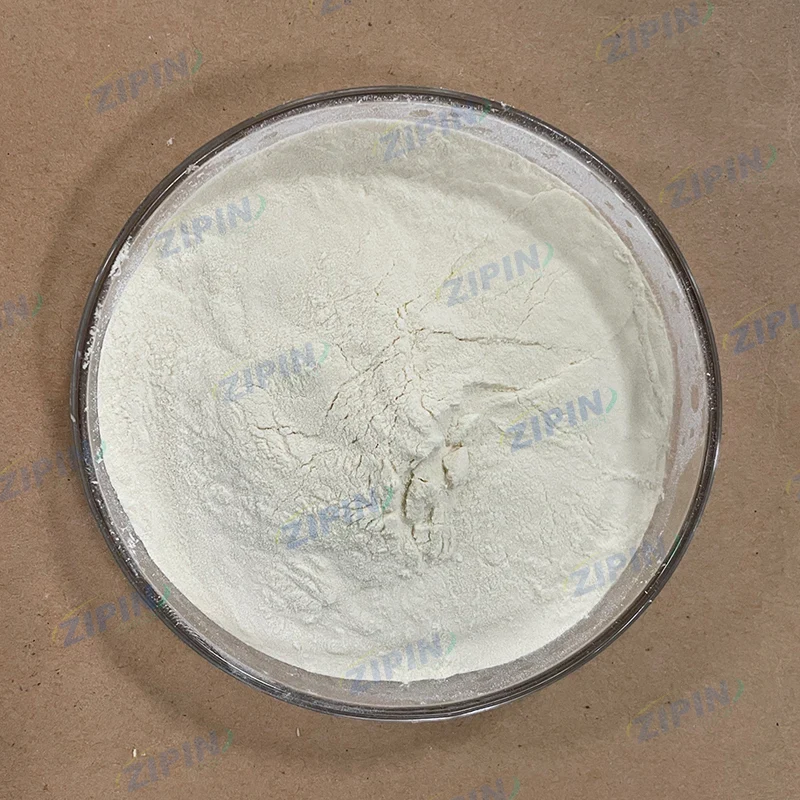
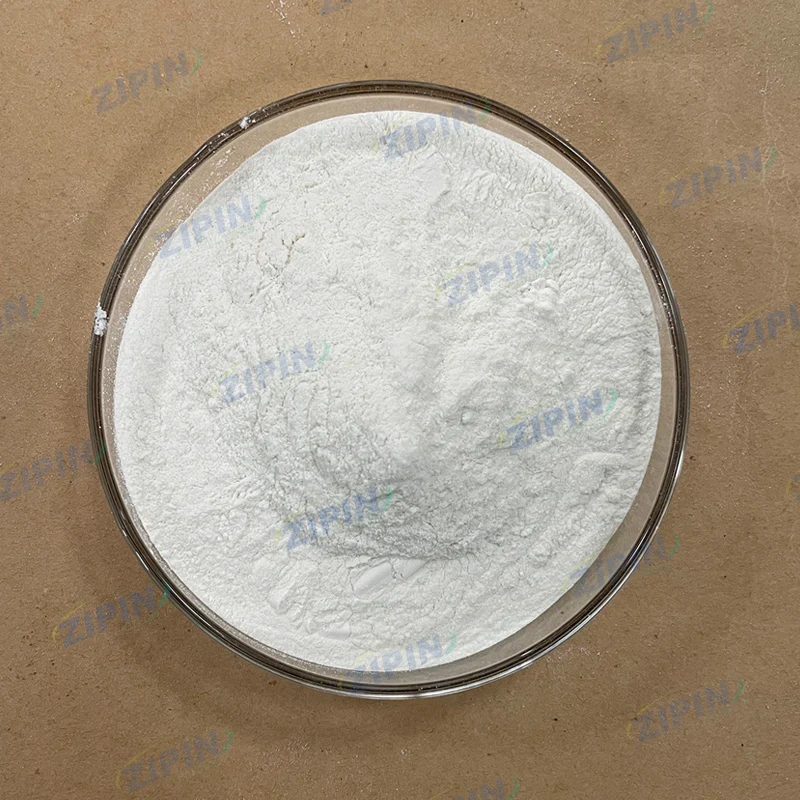
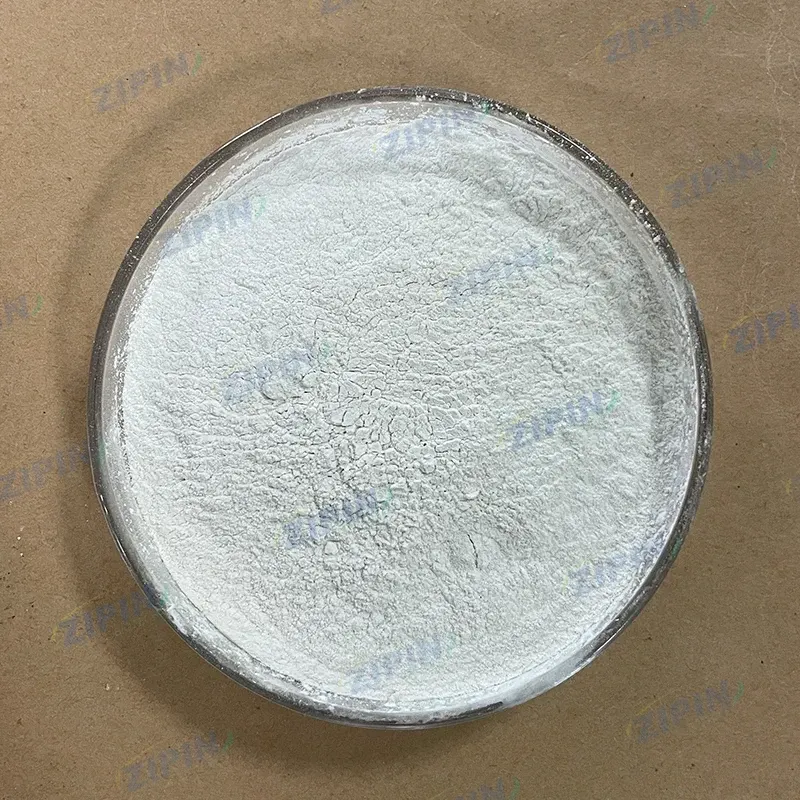
| Appearance | White or off-white powder |
| Solubility | Reactively soluble in water (exothermic) |
| pH | Highly alkaline (>12 in solution) |
Shell Calcium Oxide is widely used across multiple industries due to its reactivity and purity.
Its versatility makes it a foundational material in both traditional and modern industries.
Shell-based calcium oxide offers several advantages over conventional sources:
| Feature | Shell Calcium Oxide | Limestone-Derived Calcium Oxide |
|---|---|---|
| Raw Material | Marine shells | Natural limestone rock |
| Purity | Higher (often 90–95%+) | Variable (70–90%) |
| Reactivity | High | Medium |
| Environmental Impact | Lower waste impact | Mining-intensive |
| Consistency | More uniform | Depends on quarry source |
Due to its strong reactivity with water and moisture, proper handling of Shell Calcium Oxide is essential.
When exposed to water, calcium oxide generates heat, which can cause burns or damage if not managed properly.
Several factors determine the quality of Shell Calcium Oxide:
High-quality production processes ensure better consistency and higher industrial efficiency.
Industrial users often face several issues when working with Shell Calcium Oxide:
Proper management practices significantly improve usability and cost efficiency.
1. Is Shell Calcium Oxide safe to handle?
Yes, but it requires protective equipment due to its caustic nature.
2. Why is shell-derived CaO preferred in some industries?
Because of its higher purity and better reactivity.
3. Can it be used in food-related applications?
Only under strict regulatory compliance and purification processes.
4. What happens if it gets wet?
It reacts exothermically, releasing heat and forming calcium hydroxide.
5. How should it be stored long-term?
In airtight, moisture-free containers in a dry warehouse.
Shell Calcium Oxide continues to gain importance as industries move toward higher efficiency and more sustainable raw materials. Its unique combination of purity, reactivity, and environmental advantage makes it a preferred choice in advanced manufacturing systems.
As industrial requirements evolve, demand for high-quality calcium oxide derived from natural marine sources is expected to grow, especially in regions focusing on green production methods and resource recycling.
For high-quality Shell Calcium Oxide and customized industrial solutions, you can reach out to Jiangsu Zipin Biotech Co., Ltd.
If you are looking for stable supply, technical support, or bulk procurement solutions, our team is ready to assist you with professional service and reliable product quality assurance.
Contact us today to discuss your requirements and receive tailored recommendations for your industry needs.